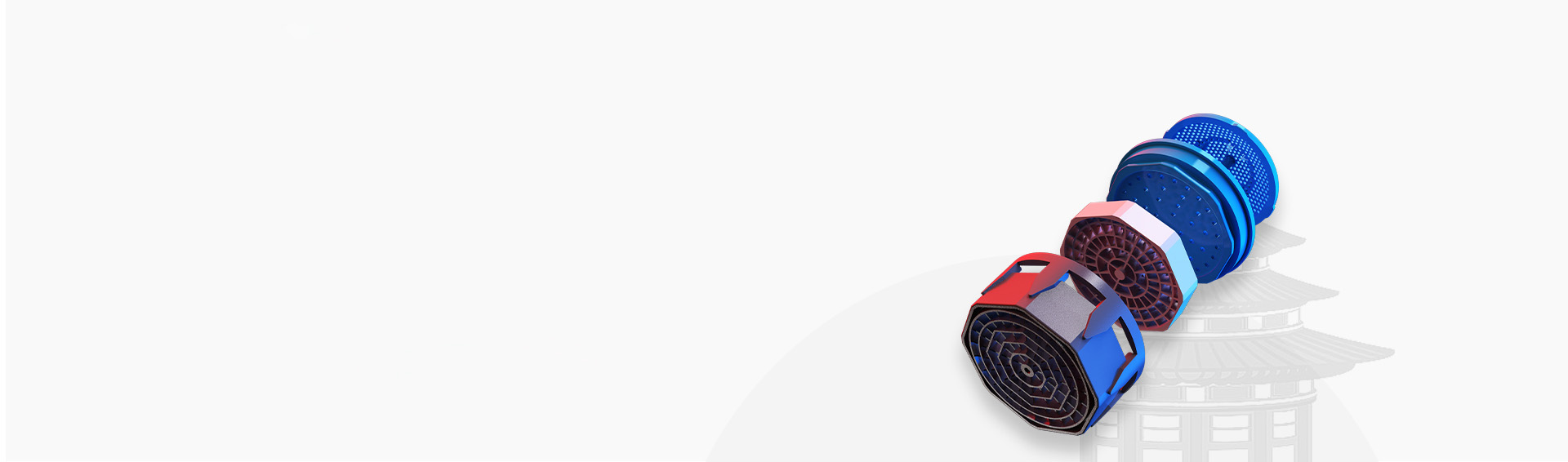
Have you ever wondered why the water flowing out of the faucet is mixed with numerous bubbles? The secret behind this is that inside the ordinary faucet we usually see, there is actually a magical device called the "aerator" hidden. It is precisely it that makes the water flow more delicate, effectively preventing water splashing. Perhaps you are still unfamiliar with the term 'aerator', so let's explore its mysteries together.
Definition and function of aerator
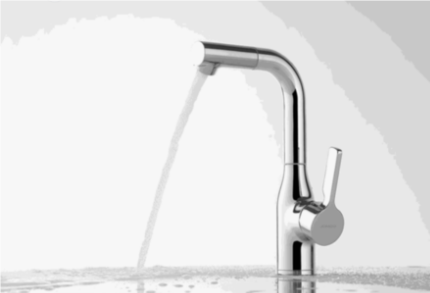
The aerator, a magical device hidden inside the faucet, creates a foaming effect by thoroughly mixing water and air. This design not only optimizes water flow and reduces splashing, but also plays a significant water-saving role. In the market, we can find that almost all circular water outlets are equipped with aerators, while square or flat water outlets do not have this device.
02. Function of aerator
Optimize water flow and save water
Installing a aerator on the faucet at home mainly serves the following three functions: firstly, the aerator can effectively optimize the water flow and reduce splashing; Secondly, it can significantly save water resources; Finally, the aerator also has antibacterial properties, ensuring the hygiene and health of household water.
▣ Filtration function: The aerator can effectively filter sediment and impurities in water, ensuring the cleanliness of household water.
▣ Water saving effect: By fully mixing water flow with air, the aerator forms a foaming effect, significantly reducing water consumption. Usually, faucets equipped with aerators can save about 50% of water resources compared to regular faucets.
▣ Splash proof and antibacterial
▣ Splash proof effect: After mixing with air, the water flow becomes softer, reducing the impact force, effectively preventing water splashing, and also reducing water flow noise.
Antibacterial effect: The aerator also has antibacterial function, ensuring the hygiene and health of household water.
03. Cleaning of aerator
▣ Cleaning steps and tools
Although the aerator can effectively filter impurities, it may still clog after long-term use, so it needs to be cleaned regularly. When cleaning, you can simply remove the aerator, soak it in vinegar, then use a small brush or other tool to remove debris, and finally reinstall it.
However, disassembling the aerator is not always easy. During the disassembly process, you may encounter some difficulties. For this, we can use a small screwdriver to help. Insert a small screwdriver into the gap between the frames of the aerator, and use force to pry it open. This will open the top plastic card top mesh and remove the middle stainless steel mesh. Please note that the stainless steel mesh should have its edges facing upwards when removed to ensure proper installation. After cleaning, reassemble in the reverse order of disassembly.
Don't just look at the small aerator installed on the faucet, it brings many benefits. If you are interested, you may also try installing one at home to see how it can improve your water experience.